Why Car Keys Break — and Why the Fix Is Never Simple
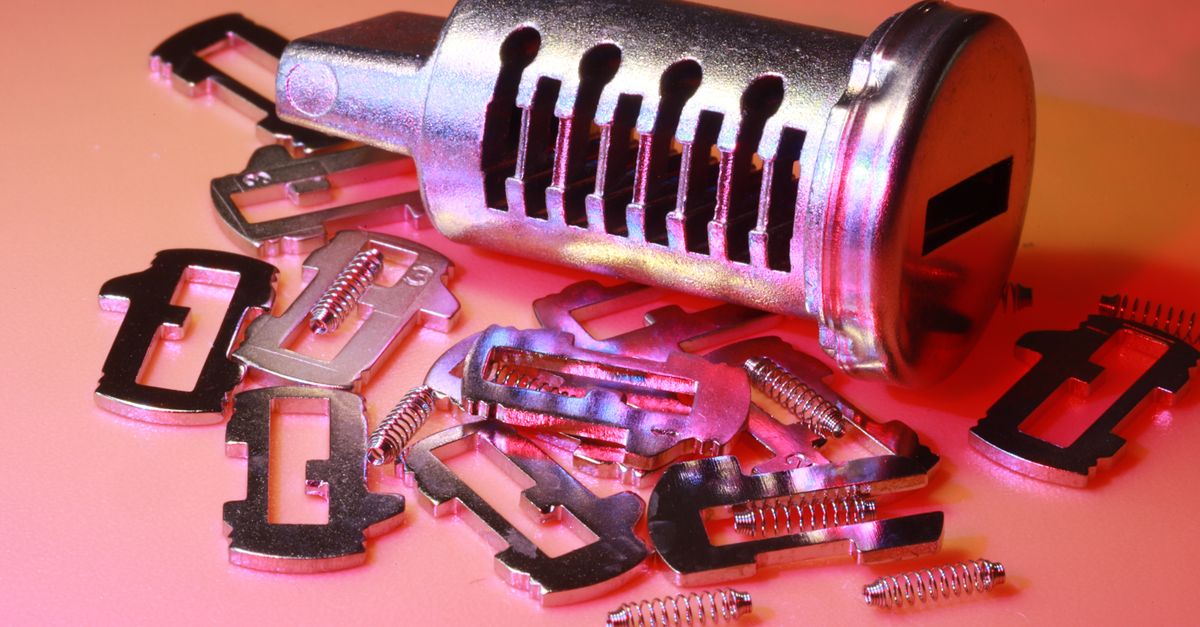
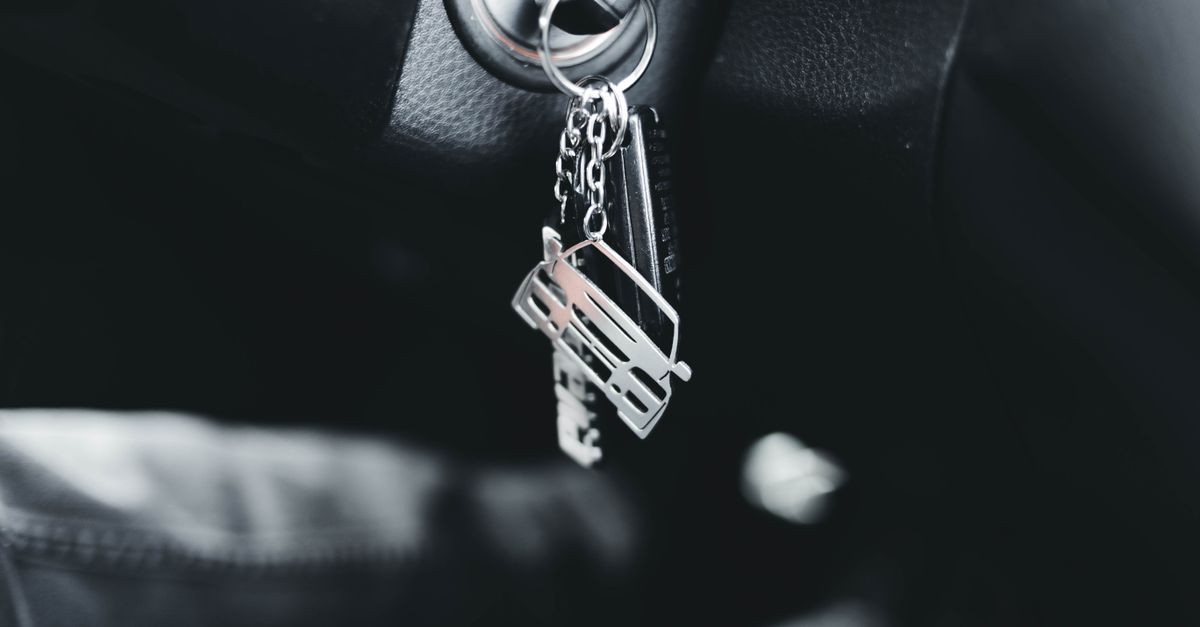
Car keys fail for predictable reasons: repeated stress cycling on a thin metal shank, a heavily worn ignition cylinder that fights every turn, a door lock that has seized slightly from weather exposure, or simply the unlucky combination of an awkward angle and too much torque. Mansfield winters — where freeze-thaw cycles hit residential streets like Schoolhouse Road and the rural routes heading toward Columbus — accelerate wear on both the key itself and the lock cylinder it operates. Once a key snaps, the break is rarely clean. The fragment usually sits at an angle, sometimes partially rotated, and the spring-loaded tumblers inside the cylinder grip it on all sides. Extracting that fragment without damaging the cylinder or tumbler stack takes precision instruments and a working knowledge of the specific cylinder design, not brute force.
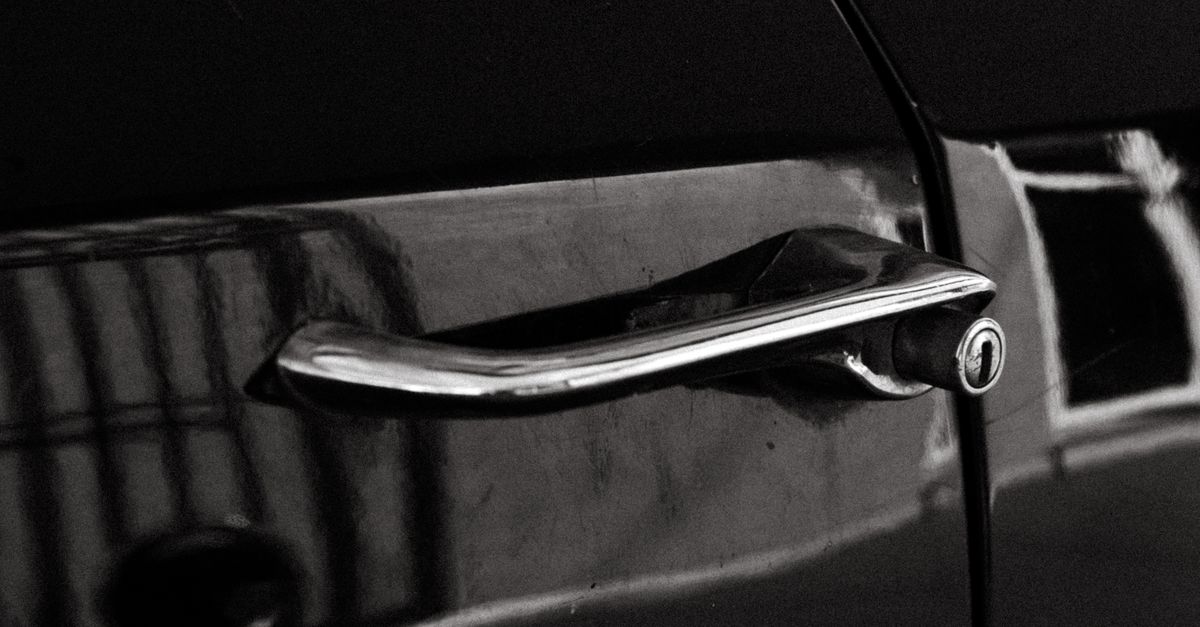
There is also the ignition versus door lock distinction. Ignition cylinders are deeper, carry higher spring tension, and are positioned at an angle that makes visual access difficult. Door locks, particularly on older or high-trim vehicles with mortise-style locking mechanisms inside the door assembly, add another layer of complexity because the cylinder sits within a housing that is not always directly accessible from the outside. Our experienced locksmiths understand the difference and adjust their approach to the exact cylinder type and vehicle model before any tool touches the lock.