How Transponder Key Programming Works — and Why It Matters
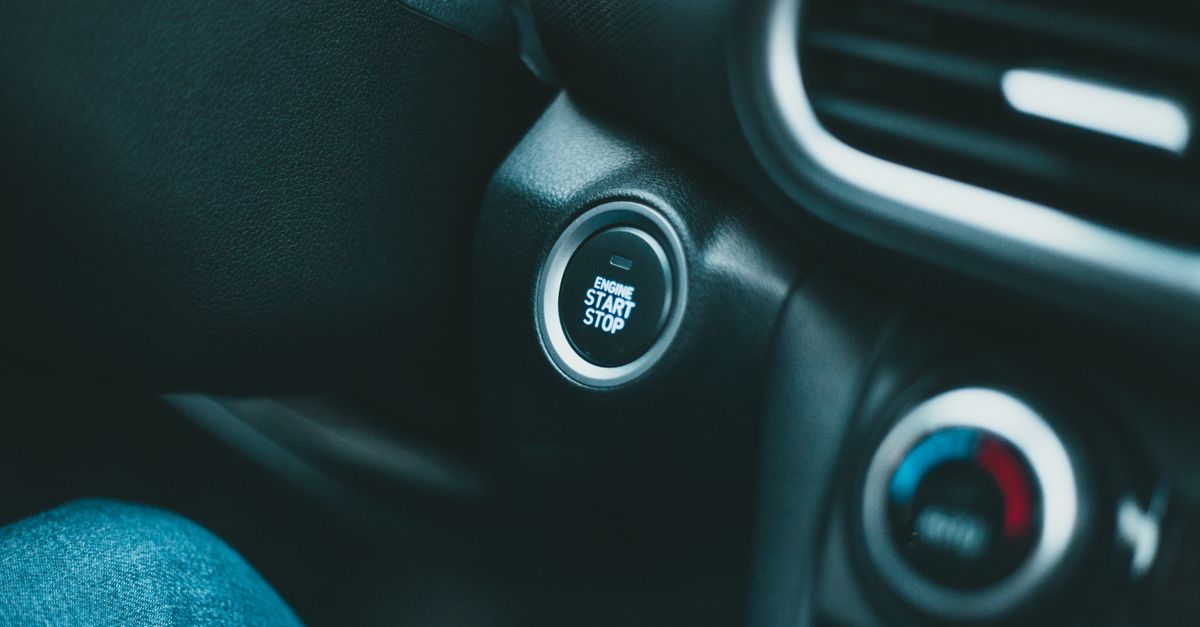
Every transponder key contains a small radio-frequency identification chip sealed inside the plastic head. When you insert the key and turn the ignition, the car's immobilizer antenna ring reads the chip's unique code. If the code matches what is stored in the vehicle's engine control module, the immobilizer disengages and the engine starts. If the code is missing, mismatched, or was never written to the chip, the car stays immobilized — a security feature that dramatically reduces vehicle theft but can leave a legitimate owner stranded. A new key blank, even one cut to the exact blade profile, will not start the car until the chip is properly programmed to that specific vehicle.
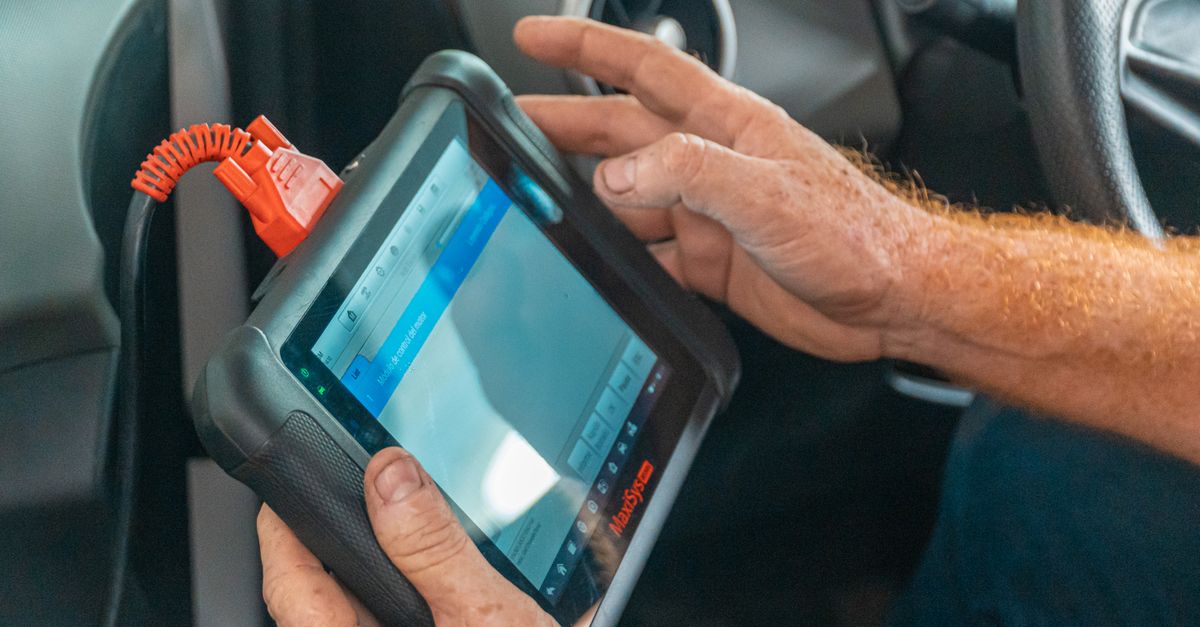
This is where skilled programming comes in. Our technicians connect specialized diagnostic equipment directly to the vehicle's OBD port, read the immobilizer data, and write the correct transponder code to the new key. Some older vehicles require a timed on-board procedure; newer platforms use encrypted protocols that demand up-to-date software. Because we invest in current equipment and ongoing technical training, we can handle everything from early 2000s domestic models to late-model imports — all without forcing or damaging your ignition or steering column.