Chris Locksmith NJ Service Team
Local locksmith team
May 25, 2026 11 min read
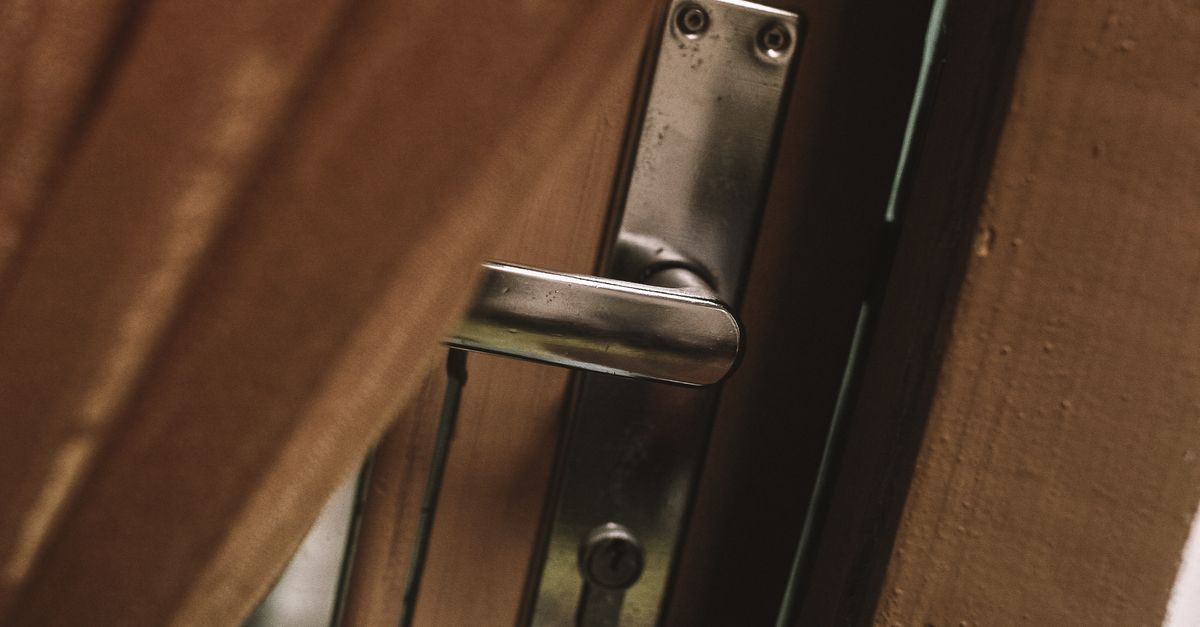
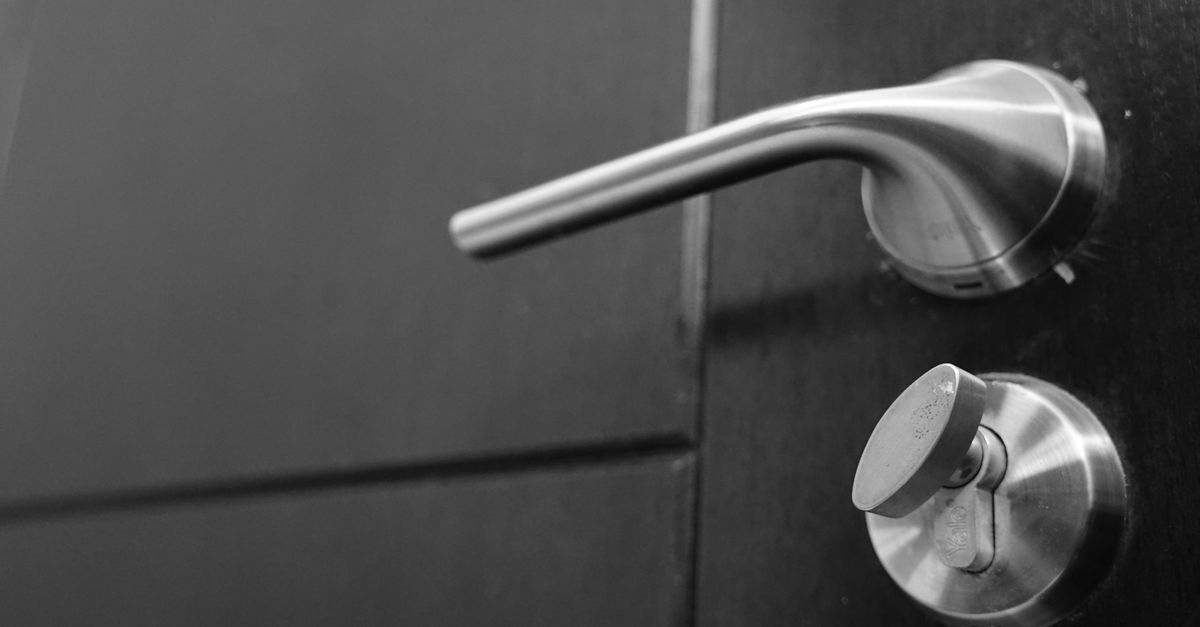
Most homeowners along Route 57 in Mansfield never think twice about their door knob lock — until the morning it refuses to turn, or worse, the latch gives out entirely while they're already running late. A failing knob lock rarely fails all at once. It sends signals for weeks or even months before it leaves you standing on your porch at midnight with no way in. Catching those signals early is the difference between a quick, planned service call and a full emergency lockout situation.
This guide walks you through five honest, practical warning signs that your door knob with lock is on its way out — and what to do about each one before it becomes a crisis. We'll also cover what drives the cost of a replacement, what a mortise lock upgrade looks like, and when it's time to stop fiddling and call a professional locksmith Mansfield NJ homeowners can count on around the clock.
## Sign 1: The Knob Feels Loose, Wobbly, or Stiff in a Way It Never Did Before
A door knob with lock that wobbles when you grip it is not just annoying — it's telling you the internal spindle or rose plate has worn down or come loose. Over years of daily use, the set screw that anchors the knob to the spindle backs out, the spindle itself can wear oval, and the internal cam that drives the latch starts to miss its mark. What you feel as a slight wobble is actually misalignment inside the mechanism. Left alone, the latch will stop retracting cleanly, and one day the knob will spin freely without moving anything at all — classic lockout territory.
Stiffness is the opposite symptom but the same story. If you find yourself fighting the knob to get in on cold mornings near the fields off Schoolhouse Road, the internal springs are likely fatigued or the cylinder is corroding from moisture intrusion. A temporary fix is a light graphite spray into the keyway, but if stiffness returns within a week, the lock mechanism itself needs replacing — not just lubricating.
## Sign 2: Your Key Sticks, Jams, or Takes Multiple Tries to Turn
A healthy door knob with lock and key relationship should feel smooth every single time. When your key starts requiring a deliberate jiggle to seat, or you have to lift and push the door simultaneously just to get the cylinder to rotate, the wafers or pins inside the lock cylinder are worn or damaged. Keys cut to a worn cylinder also wear faster themselves, creating a feedback loop where both the key and the lock degrade together.
There is a reason people search 'how to pick a door knob lock' when they're frustrated — a sticky cylinder feels almost like it's fighting you. Do not reach for a paper clip or improvised tool. Attempting to manipulate or bypass a lock you own without the right equipment can shear a worn wafer inside the cylinder, turning a simple re-key into a full lockout that requires a professional extraction. The correct move is to call an experienced locksmith before the cylinder seizes completely. Our team serves Mansfield and the surrounding Burlington County area 24 hours a day — call (609) 309-0385 the moment a key issue becomes a pattern, not an emergency.
## Sign 3: The Latch Is Slow, Sticky, or Doesn't Spring Back Fully — A Mortise Lock Comparison Worth Knowing
Watch your latch bolt the next time you close the door. It should retract fully when the knob turns and spring back instantly and completely when released. A latch that drags, retracts partially, or fails to spring back to full extension is a mechanism on its last legs. In worst-case scenarios the latch bolt stops engaging the strike plate altogether — your door appears closed but is not actually secured.
This is where a conversation about mortise lock systems becomes relevant. A traditional knob lock mounts through a bored hole and relies on a simple spring latch. A mortise lock, by contrast, is set into a precisely cut pocket in the door edge and uses a far more robust deadbolt-and-latch combination driven by a solid steel case. For exterior doors — especially on older Mansfield colonial and split-level homes where door frames have shifted over decades — upgrading from a worn knob lock to a mortise lock assembly dramatically improves both security and long-term reliability. Our skilled locksmiths assess your door thickness, frame condition, and security goals before recommending the right hardware, whether that's a re-keyed Schlage or Kwikset knob lock or a full mortise lock installation.
## Sign 4: Visible Rust, Corrosion, or a Keyway That's Darkened and Gritty
New Jersey winters are not gentle on exterior hardware. Freeze-thaw cycles, road salt carried in on boots, and the humidity that rolls off the wetlands near the Mansfield township line all accelerate corrosion inside a knob lock. If you shine a flashlight into your keyway and see dark discoloration or gritty residue, or if the face of the lock shows rust bloom around the cylinder edge, moisture has already reached the internal pins or wafers.
Surface rust on the knob body is cosmetic. Rust inside the cylinder is structural — it means metal components are bonding together and the tolerances that allow the lock to operate are closing in. No amount of WD-40 will reverse that process. A qualified locksmith will remove the cylinder, assess whether a re-key and cylinder replacement is sufficient or whether the entire lock door knob assembly needs to come out. For bedrooms and interior privacy locks, a corroded door knob with lock for bedroom use is a safety issue too — imagine a child locked in a bathroom with a failed mechanism.
## Sign 5: You've Had a Break-In Attempt, a Lost Key, or the Lock Is Simply Old
Security professionals generally recommend replacing exterior lock hardware every seven to ten years under normal residential use. If your current knob lock predates a renovation, came with the house when you bought it, or has lived through a break-in attempt — even one where entry was not gained — it needs to come out. Forced-entry attempts bend internal components in ways that aren't always visible from the outside but that make the lock easier to defeat and harder to operate normally.
A lost or stolen key is equally urgent. Rekeying a functioning cylinder to invalidate the missing key is the most cost-effective solution when the hardware is otherwise sound. If the hardware is also aging, full replacement makes more sense financially. Either way, the factors that determine your final quote include the type of lock (standard knob lock versus a mortise lock), the brand and grade of replacement hardware, the time of the service call, and travel distance to your location. Our team confirms an exact up-front price before a single screw is touched — no surprises on the invoice. Call (609) 309-0385 any time, day or night, and we'll walk you through the options before you commit to anything.
## What Does a Local Locksmith Charge — and What Should You Expect for This Service?
One of the most common questions we hear is 'How much does a local locksmith charge?' or specifically 'How much does a locksmith cost in NJ?' The honest answer is that pricing is always specific to the job. A straightforward knob lock swap on a standard interior door during daytime hours involves different labor and parts costs than a mortise lock installation on a reinforced exterior door at 2 a.m. after a failed break-in attempt. The variables that move the needle are: the complexity of the lock type, the hardware grade you choose, the time of day, any call-out or dispatch fee for mobilizing a mobile technician to your address, and whether the job requires specialty parts not carried on the service vehicle.
What we can promise is full price transparency before work begins. There is no ambiguity about what a locksmith call-out fee covers when you call us — we explain the dispatch component and the labor estimate clearly over the phone so you can make an informed decision. Our experienced locksmiths also stock a wide range of hardware grades and brands on every service vehicle, which means fewer return trips and faster completions for Mansfield-area homeowners.
## Our Clients, Our Services, and Why Mansfield Trusts Chris Locksmith NJ
Our clients include homeowners along the quiet residential blocks near Mansfield Township's town center, landlords managing rental properties off Main Street, small business owners who need commercial locksmith support for office suites and storefronts, property managers dealing with tenant turnover re-keys, and drivers stranded with automotive lock issues anywhere in Burlington County. We also regularly assist real estate agents at closing who discover a seller's keys no longer work, and families locked out of a relative's home during a medical emergency — situations where showing up fast and verifying ownership responsibly is everything.
Professionalism guaranteed means something specific here: our trained and seasoned locksmiths arrive in marked vehicles, carry identification, verify your ownership of the property before any work begins, and never pressure you into hardware upgrades you don't need. Experienced locksmiths on our team have worked on everything from antique mortise lock sets in century-old farmhouses to modern smart-lock integrations, re-keys, emergency locksmith calls, and commercial locksmith projects requiring master key systems across multiple entry points. Our service areas include Mansfield, Bordentown, Columbus, Hainesport, Mount Holly, Wrightstown, and surrounding Burlington County communities — all served from a mobile platform that means no shop wait and no dispatch delays.
Our 25-plus distinct services span: residential knob lock replacement, mortise lock installation and repair, deadbolt installation, emergency locksmith response, commercial locksmith services, master key system design, re-keying single locks, re-keying an entire property in one visit, high-security lock upgrades, smart lock installation, lock-out assistance with ownership verification, door frame and strike plate reinforcement, cabinet lock replacement, padlock removal, mailbox lock replacement, garage side-door lock service, sliding door lock repair, window lock installation, car lockout assistance, automotive key cutting, transponder key programming, key fob programming, broken key extraction from cylinders, safe opening and combination changes, and after-hours emergency locksmith dispatch for both residential and commercial clients. Whether you need a simple lock door knob swap or a full commercial locksmith security audit, we handle it from a single call.
## Common Questions Homeowners Ask Before Calling a Locksmith
Knowing what to expect makes calling a locksmith far less stressful. Below are the questions we get most often — answered honestly so you can make the best decision for your home and budget.
Frequently asked questions
What locks can locksmiths not open?+
A skilled locksmith can open the vast majority of residential and commercial locks through legitimate, non-destructive methods — that includes standard knob locks, deadbolts, mortise locks, and many high-security cylinders. The locks that present the greatest challenge are ultra-high-security cylinders with anti-pick and anti-drill features, certain biometric or electronically sealed safes, and some restricted-keyway systems where picking is mechanically blocked. Even in those cases, a professional locksmith can often open the lock through controlled disassembly rather than picking, though that may require replacing components afterward. If a lock truly cannot be opened without destruction, a trained locksmith will explain that clearly before proceeding and give you an honest assessment of your options.
Can a locksmith program my key fob?+
Yes — automotive key fob programming is a service our team provides regularly for Burlington County drivers. Whether you have a standard remote key fob, a transponder key, or a combined smart key, we can cut and program a replacement on-site without a dealership visit. The ability to program a specific fob depends on the make, model, and year of your vehicle and whether the car's onboard computer requires a dealer-only security sequence. We'll confirm compatibility over the phone before dispatching so there are no wasted trips.
What is a locksmith call-out fee?+
A call-out fee — sometimes called a dispatch or service fee — covers the cost of mobilizing a technician and vehicle to your location. It is separate from the labor cost for the actual work performed. When you call us, we explain exactly what the call-out component covers, what the estimated labor will be for your specific job, and what hardware costs apply if replacement parts are needed. You receive a single confirmed price before work starts — the call-out fee is included in that total, not added as a surprise at the end.
Can a locksmith just unlock a door without replacing anything?+
Absolutely — unlocking a door without damaging or replacing the lock is the preferred outcome in any lockout situation, and it is what a trained locksmith attempts first. Non-destructive entry techniques like picking or decoding the cylinder leave the existing hardware fully functional. Replacement is only recommended when the lock is already damaged, when security has been compromised by a lost key or break-in attempt, or when the hardware is simply too worn to re-key reliably. We will always tell you honestly which situation applies and let you decide how to proceed.